


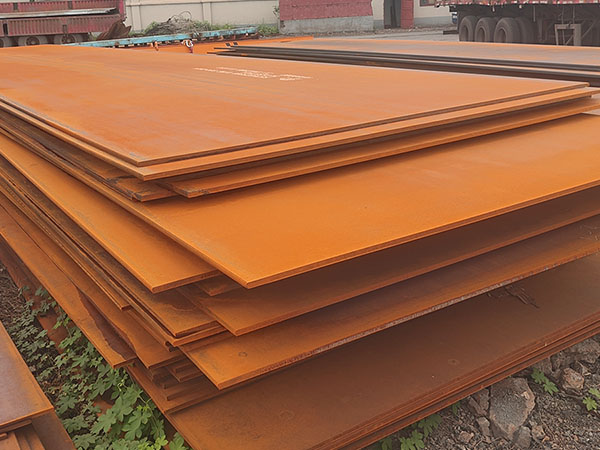
If you have admired a modern building with a striking, warm-toned rust façade that seems to blend strength with natural beauty, you have likely encountered S355J0WP Corten Steel. More than just an aesthetic choice, this material, standardized as a weathering steel in Europe (equivalent to the well-known Corten A), offers a unique combination of enduring performance and evolving visual character.
Its defining feature is the stable, protective patina that forms on its surface when exposed to the weather. This rust layer acts as a barrier, protecting the steel beneath and eliminating the need for painting. With a minimum yield strength of 355 MPa and good tensile strength, it is a robust material for a variety of architectural applications. The table below summarizes its key advantages compared to standard painted carbon steel.
| Feature | S355J0WP Corten Steel | Standard Painted Carbon Steel |
|---|---|---|
| Corrosion Protection | Self-protecting patina; improves over time | Requires intact paint system; prone to chipping/scratches |
| Maintenance | Very low; no painting required | Periodic repainting needed to prevent rust |
| Aesthetic | Dynamic, warm, natural; evolves with time | Static color; finish degrades over time |
| Lifecycle Cost | Higher initial cost, lower long-term maintenance | Lower initial cost, recurring maintenance expenses |
| Environmental Fit | Blends with natural landscapes (rock, soil) | Can appear artificial in natural settings |
🏛️ Primary Architectural Applications
The properties of S355J0WP make it a versatile choice for architects, commonly used in three key areas.
1. Exterior Cladding and Façades
This is the most iconic use. The rich, textured patina provides a building with a distinct, bold identity. Architects use it for entire building skins, accent walls, or as rain screens. For example, the Barclays Center in Brooklyn uses approximately 12,000 pre-weathered Corten steel panels to create its distinctive, industrial-inspired exterior. It is equally effective in sensitive contexts, such as extending historical buildings, where its rust tone can harmonize with old brickwork.
2. Structural and Functional Elements
Beyond cladding, its strength makes it suitable for structural applications where its appearance is an asset. This includes bridges, support columns, and guardrails. A notable example is the viewing platform on Norway's Trollstigen National Tourist Route, where Corten steel is used for guardrails and structures, chosen for its durability in harsh weather and its ability to blend with the rocky landscape.
3. Sculptural and Landscape Features
The material is a favorite for artistic integration. It is used for monumental sculptures, signage, screening walls, and landscape elements like planters and retaining walls. Its evolving color and texture make the architecture feel alive and deeply connected to its site.
💡 Key Considerations for Specification
To ensure success with Corten steel, several practical factors must be addressed in the design phase:
Runoff Management: During the first few years, the patina development can cause runoff that may stain lighter adjacent materials like concrete or stone. Design must include details to divert this water.
Detailing for Drainage: The steel must be detailed to avoid trapping water, which can lead to accelerated, uneven corrosion. Proper drainage is critical.
Material Compatibility: Direct, prolonged contact with certain other metals or moist materials can cause galvanic corrosion. Isolation using non-conductive spacers is often necessary.
Accepting Natural Variation: The weathering process is not uniform. Variations in color and texture are inherent to the material's character and should be expected.
In summary, S355J0WP Corten Steel is far more than a rustic finish. It is a high-performance architectural material that offers a compelling, low-maintenance solution where durability, a dynamic aesthetic, and a connection to the natural environment are desired. By understanding its applications and design requirements, architects and clients can effectively harness its unique potential to create enduring and meaningful architecture.
If you are considering Corten steel for a specific project type, such as a coastal building or an intricate façade system, understanding its detailed performance in those conditions would be the next logical step.


