


Many people associate steel with rust-and for good reason: ordinary steel corrodes quickly outdoors, leading to flaky, destructive rust that shortens its lifespan. But Q310NH Corten Steel, a medium-duty grade (yield ≥310MPa), is often marketed as "rust-resistant," leaving buyers wondering: Does it rust at all? If so, is its rust the same as normal steel's? Will it degrade just as quickly? The core answer is clear: Q310NH Corten Steel does rust, but not like normal steel-its rust forms a protective patina that stops further corrosion, unlike the destructive rust that ruins ordinary steel. Below is a concise, practical guide.

Q310NH vs. Normal Steel: The Rust Difference
The key distinction lies in how rust forms and what it does-Q310NH's rust is a shield, while normal steel's rust is a threat:
Normal Steel Rust: When exposed to air and moisture, normal steel forms loose, flaky iron oxide (rust). This rust peels off easily, exposing fresh steel to further corrosion-over time, it eats away at the metal, leading to weakness and failure (often in 5–10 years outdoors).
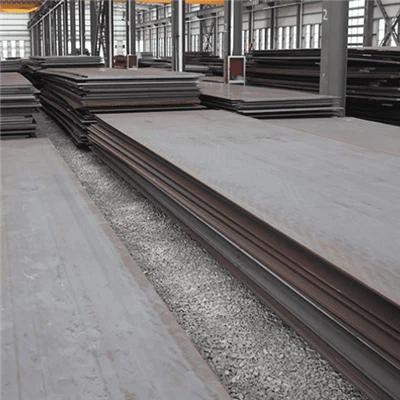
Q310NH Corten Steel Rust: Q310NH forms a dense, dark gray-brown patina (a type of rust) within 6–12 months of outdoor exposure. Unlike normal steel's flaky rust, this patina bonds tightly to the steel surface, blocking oxygen and moisture from penetrating-stopping further corrosion entirely.
Why Q310NH's "Rust" Is Protective (Not Destructive)
Q310NH's unique alloy composition is what makes its rust different from normal steel's:
It contains copper, chromium, and nickel-alloys that react with oxygen and moisture to form the dense, stable patina. These alloys prevent the formation of loose, flaky rust that plagues normal steel.
The patina grows slowly and uniformly, creating a seamless barrier. Once fully formed, it requires no maintenance to keep protecting the steel for 25–35 years.
Practical What to Expect: Q310NH's Rust Process
For Q310NH, the "rusting" process is part of its protection-here's what you'll see:
First 1–3 months: Surface develops light orange rust (similar to normal steel) as the patina starts to form.
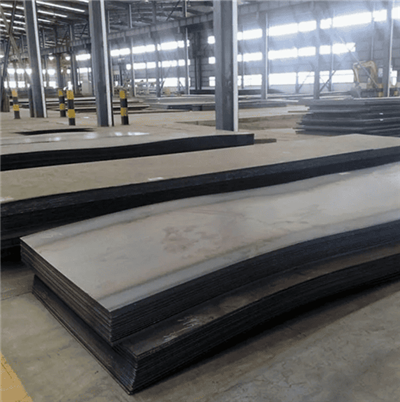
3–12 months: Rust darkens to a dark gray-brown and becomes dense, forming the protective patina.
After 12 months: Patina stabilizes-no more visible rusting, and the steel remains protected indefinitely with minimal upkeep.
Key Tips to Ensure Q310NH Forms a Protective Patina
To avoid normal steel-like rust and ensure the patina forms properly:
Let it weather naturally: Don't paint or coat Q310NH-this blocks patina formation, trapping moisture and causing normal rust.
Ensure good drainage: Avoid water pooling on Q310NH surfaces-standing water can slow patina formation or cause uneven rust.
Minor touch-ups: If the patina is scratched, it will re-form on its own; for deep scratches, use a Corten-compatible touch-up spray to speed up protection.
In short, Q310NH Corten Steel does rust, but its rust is a protective patina-nothing like the destructive rust of normal steel. This unique trait is what makes it low-maintenance and long-lasting, perfect for outdoor and light-structural projects where ordinary steel would fail quickly.


