


Garden structures-from planters and trellises to seating and screens-need to withstand moisture, soil contact, and changing weather while blending with outdoor aesthetics. Q310NH Corten Steel, a medium-duty grade (yield ≥310MPa), is often considered for these projects, but many garden designers and homeowners wonder if it's a good fit. Will it hold up against soil moisture and rain? Does it complement garden aesthetics? Is it practical for DIY or professional garden builds? The core answer is clear: Q310NH Corten Steel is excellent for garden structures-its corrosion resistance, formability, and rustic patina make it durable, low-maintenance, and visually appealing for outdoor gardens. Below is a concise, practical guide.

Why Q310NH Works Perfectly for Garden Structures
Its properties address the unique challenges of garden environments, making it a better choice than ordinary steel or other materials:
Resistance to Garden Moisture: Q310NH forms a dense protective patina within 6–12 months, blocking moisture from soil, rain, and dew. Unlike ordinary steel, it won't rust destructively when in contact with damp soil or frequent watering.
Low Maintenance for Gardens: Once the patina forms, no painting, sealing, or frequent cleaning is needed-ideal for garden structures that are hard to reach or maintain regularly. It saves time and effort for garden upkeep.
Formable for Custom Garden Designs: Its balanced ductility allows it to be bent, cut, and shaped into custom planters, curved trellises, or decorative screens-perfect for matching unique garden styles, from modern to rustic.
Aesthetic Appeal: The dark gray-brown patina ages gracefully, blending with greenery, stone, and other garden elements. It adds a timeless, natural look without clashing with garden decor.
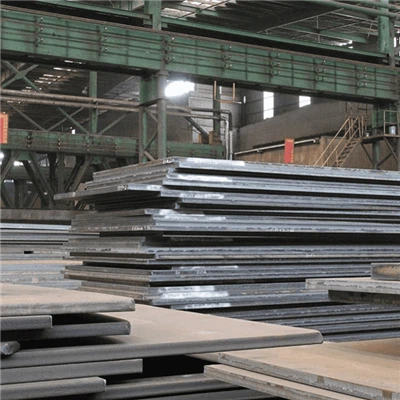
Best Garden Structures for Q310NH Corten Steel
Q310NH excels in a range of garden applications, leveraging its strength and formability:
Garden Planters: Large or small, raised or ground-level-resists soil moisture and won't degrade from constant contact with potting mix or rain.
Trellises & Arbors: Supports climbing plants (roses, vines) while adding structural interest-strong enough to hold plant weight without bending.
Outdoor Seating: Garden benches or stools-durable, weather-resistant, and comfortable (when paired with cushions) for outdoor relaxation.
Decorative Screens & Edging: Privacy screens or garden bed edging-adds texture and definition to garden spaces, with minimal maintenance.
Practical Tips for Q310NH Garden Structures
Maximize its performance and longevity in your garden with these simple steps:
Choose the right thickness: 3–10mm for planters, screens, and edging; 10–15mm for trellises and seating (balances strength and formability).
Elevate soil-contact components: For planters or edging, add small feet or a base to keep steel off the ground-reduces direct soil contact and speeds up patina formation.
Let patina form naturally: Avoid painting or coating-this traps moisture and ruins the natural aesthetic, defeating the low-maintenance benefit.
When to Avoid Q310NH for Garden Structures
Q310NH is ideal for most garden uses, but skip it if:
You need ultra-lightweight structures (e.g., small hanging planters)-opt for lighter Corten grades (e.g., Q265GNH) to save weight.
You prefer a bright, unchanging finish-Q310NH's patina darkens over time (part of its garden-friendly charm).
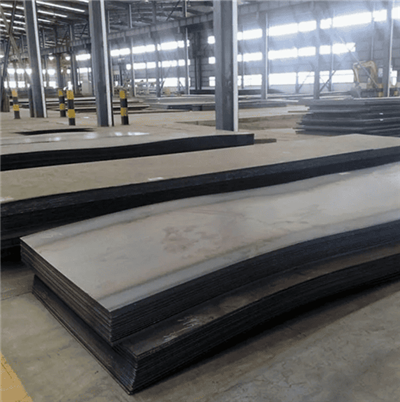
In short, Q310NH Corten Steel is a fantastic choice for garden structures. Its durability, low maintenance, and natural aesthetic make it a practical, long-lasting option that enhances any garden while withstanding the unique challenges of outdoor garden environments.


