


Industrial high-pollution environments-filled with high concentrations of SO₂, chemical fumes, dust, and acidic/alkaline residues-pose severe threats to Corten Steel's protective rust layer. For S335J2W Corten Steel, a material often used in industrial settings, many buyers wonder: Is regular maintenance necessary? What targeted measures can preserve its performance? The core clarification first: S335J2W is not a standardized grade in EN 10025-5 (the main European standard for weather-resistant steels). Thus, we derive maintenance guidelines based on its inferred properties (medium-low strength, J2-grade -20℃ toughness, weather resistance relying on Cu/Cr/P) and EN 10025-5's maintenance logic for weather-resistant steels. The key conclusion: Regular targeted maintenance is essential for S335J2W in industrial high-pollution environments to avoid premature corrosion and toughness loss. Below is a concise, evidence-based breakdown.
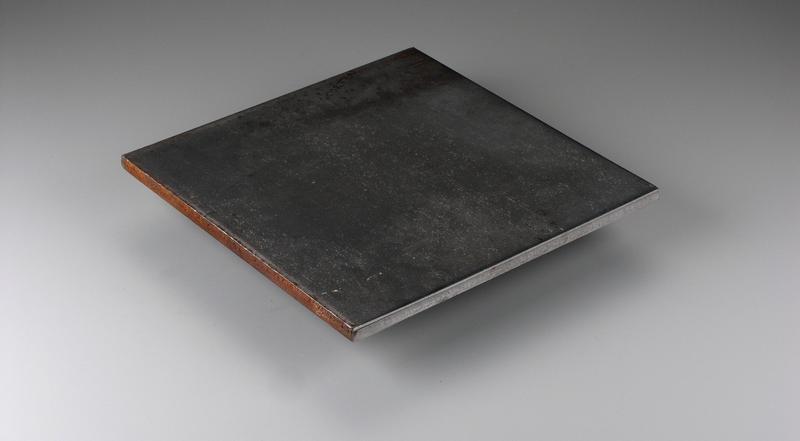
Why Maintenance Is Indispensable in High-Pollution Environments
Industrial high-pollution environments specifically damage S335J2W's protective rust layer (the core of its weather resistance) in three ways, making maintenance non-negotiable:
Pollutant Blockage & Accumulation: Dust, oil mist, and chemical residues (e.g., from petrochemical, steel, or cement plants) adhere tightly to the rust layer, blocking its "breathing" and preventing the natural renewal of the dense α-FeOOH phase-leading to localized pitting corrosion.
Acid-Alkali Erosion: SO₂ and NOx in industrial flue gas react with moisture to form acidic rain, which erodes the protective rust layer, exposing the steel substrate to further corrosion. Alkaline residues from chemical processes can also disrupt the rust layer's stability.
Humidity-Temperature Cycling Acceleration: High-temperature, high-humidity conditions in industrial workshops accelerate moisture penetration under the contaminated rust layer, weakening the material's structural integrity and reducing its -20℃ low-temperature toughness over time.

Targeted Maintenance Measures for Industrial High-Pollution Environments
Maintenance focuses on protecting the protective rust layer, removing pollutants, and repairing local damage-simple, low-cost, and aligned with EN 10025-5's weather-resistant steel maintenance principles:
1. Routine Inspection & Pollution Removal (Bi-Monthly, More Frequent Than Ordinary Environments)
Visual & Simple Testing: Check for abnormal rust (loose red rust, pitting, or rust peeling), especially near exhaust outlets, beam bottoms, and corners (pollutant accumulation hotspots). Use a thickness gauge to spot-check if corrosion has reduced the plate thickness below design limits.
Pollution Removal: Use high-pressure water (30-50MPa) mixed with neutral detergent (pH 6-8) to rinse off pollutants. Avoid acidic/alkaline cleaners-they directly damage the protective rust layer. For stubborn oil residues, use Corten-compatible degreasers (easily biodegradable) before high-pressure rinsing. Air-dry naturally after cleaning (do not use high-temperature drying, which may crack the rust layer).
2. Local Corrosion Repair (As Detected)
Minor Damage (Pitting Depth ≤3mm): Use a wire brush or fine-grit sandpaper to gently remove loose rust and contaminated rust layer (avoid over-grinding to prevent damaging the intact substrate). Apply a Corten-compatible repair primer (containing Cu/Cr to match weather resistance) to the repaired area-do not use ordinary anti-rust paint, which disrupts uniform rust layer formation.
Severe Damage (Pitting Depth >3mm or Thickness Loss >10%): Cut out the corroded section and replace it with new S335J2W sheets. Weld using weather-resistant consumables (ER70S-GNiCu wire for MIG, E7018-G electrode for SMAW) to ensure the weld joint's weather resistance and -20℃ toughness. Post-weld grind the joint smoothly to avoid pollutant accumulation.
3. Long-Term Protective Enhancement (Semi-Annual)
For S335J2W components in extreme high-pollution zones (e.g., near chemical reactors, boiler rooms), apply a thin layer of breathable Corten maintenance oil after cleaning. This oil forms a temporary barrier against pollutants without blocking the rust layer's natural aging.
Conduct ultrasonic testing on load-bearing components (e.g., support beams, brackets) to verify internal structural integrity-critical for preventing brittle fracture in low-temperature industrial environments.
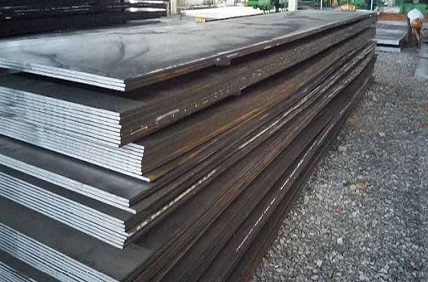
Critical Maintenance "Don'ts" for High-Pollution Environments
Do not use sandblasting or heavy grinding on the entire surface-this removes the protective rust layer, forcing the material to re-form it, which extends the vulnerable period in high-pollution environments.
Avoid frequent full-surface painting with ordinary industrial paint-this seals the rust layer, trapping pollutants and moisture inside, leading to more severe internal corrosion.
Do not ignore low-temperature toughness checks-industrial high-pollution and low-temperature conditions together increase brittle fracture risk; ensure maintenance does not compromise the "J2" grade's -20℃ impact performance.

In summary, S335J2W Corten Steel requires regular targeted maintenance in industrial high-pollution environments-bi-monthly inspection/cleaning, timely local repair, and semi-annual protective enhancement. These measures, derived from EN 10025-5's weather-resistant steel principles, effectively protect the protective rust layer, avoid premature corrosion, and preserve mechanical performance. For reliability, confirm S335J2W's actual material properties with suppliers and align maintenance measures with its specific thickness and surface condition.


