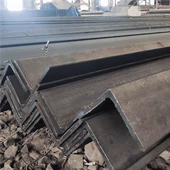
Core Stages of Natural Color Evolution (Normal Atmospheric Environments)
1–3 months (Initial oxidation): Pale yellow, light orange or faint light red, uneven in tone. A thin, loose oxide layer forms with minimal alloy enrichment, showing inconsistent color across the steel surface due to uneven initial rusting.
3–12 months (Patina maturing): Fades to uniform reddish-brown or rust red. The oxide layer thickens, Cu/Cr/Ni alloy elements migrate to the surface and enrich gradually, the patina's density and adhesion improve, and the surface color becomes consistent as the oxide layer grows evenly.
1–3 years (Patina stabilizing): Deepens further to dark brown, charcoal gray or deep reddish-brown with a matte finish. The patina fully densifies into a stable composite oxide layer tightly bonded to the substrate, with high alloy oxide content-this is the characteristic protective hue of mature SPA-H patina.
3+ years (Fully stable): Color remains essentially unchanged (persistent dark brown/charcoal gray). Only minor subtle variations (e.g., slight darkening in high humidity) may occur seasonally, with no significant overall color shift as the patina maintains structural and chemical stability.

Environmental Influences on Final Patina Color
Humid/moderate rainfall areas: Faster color deepening, final hue tends to be dark charcoal gray with a reddish-brown undertone.
Dry/arid areas: Slower color evolution, final hue remains a deeper reddish-brown (less charcoal gray).
Mild coastal/light industrial areas: Uniform dark brown with faint gray tones, no abnormal discoloration with good ventilation.
Harsh environments (high salt spray/heavy pollution): Prone to uneven color with local dark spots, rather than a uniform natural hue (signals patina damage).

Abnormal Color Changes (Non-Natural Evolution)