


Selecting the right thickness of Q500NH Corten Steel is a critical step for project success-choose too thin, and it may fail under load or corrode prematurely; choose too thick, and you waste material and increase costs unnecessarily. Many designers and buyers struggle with this choice, as Q500NH (yield ≥500MPa) is used in diverse projects, from decorative pieces to heavy industrial structures. Is there a simple, practical way to match thickness to your project's needs? The core answer is clear: Select Q500NH thickness based on three key factors-project load, application scenario, and corrosion environment-with standard thicknesses (3-100mm) covering most needs. Below is a concise, actionable guide.

Key Principles for Selecting Q500NH Thickness (Keep It Simple)
You don't need complex calculations-focus on these two core principles to avoid mistakes:
Load Priority: Heavier loads require thicker plates-Q500NH's high strength (≥500MPa) lets you use thinner plates than ordinary steel, but never sacrifice thickness for cost in load-bearing areas.
Environment Matters: Harsher corrosion (e.g., coastal, industrial) calls for slightly thicker plates to slow corrosion penetration and extend service life.
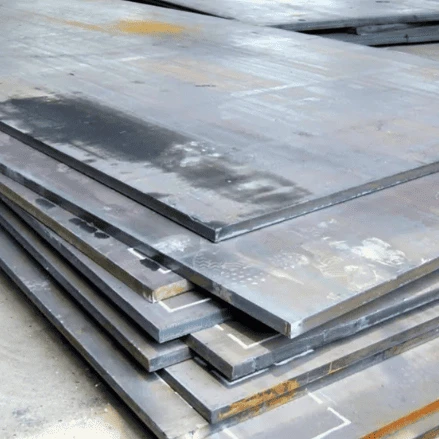
Scenario-by-Scenario Thickness Guide (Practical & Actionable)
Match Q500NH thickness to your project type-these are the most common scenarios, with recommended sizes that balance performance and cost:
1. Outdoor Decorative Projects
Needs: Light load, focus on aesthetics and formability.
Recommended Thickness: 3-10mm (thin plates, easy to bend/cut into intricate shapes).
Examples: Garden sculptures, decorative screens, facade panels-8mm is the most versatile choice for both formability and durability.
2. Light-to-Medium Load Structural Projects
Needs: Moderate load, general outdoor/industrial use, mild corrosion.
Recommended Thickness: 10-25mm (balances strength and cost).
Examples: Guardrails, platform walkways, light industrial frames-20mm is ideal for most medium-load applications.
3. Heavy-Load Industrial/Structural Projects
Needs: Heavy static/dynamic load, high stress, long-term durability.
Recommended Thickness: 25-100mm (thick plates for maximum load-bearing).
Examples: Machinery bases, bridge nodes, heavy industrial trusses-40-60mm is the most common range for extreme loads.
4. Corrosive Environments (Coastal/Industrial)
Needs: Corrosion resistance + load-bearing (if applicable).
Recommended Thickness: Add 2-5mm to the above recommendations (e.g., 12-15mm for decorative coastal projects, 30-35mm for medium-load coastal structures).

Practical Tips to Avoid Mistakes
Stick to standard thicknesses (3-100mm): They're in stock, cheaper, and have shorter delivery times-custom thicknesses (<3mm or >100mm) are only needed for unique projects.
Check MTC data: Ensure the thickness you choose retains Q500NH's standard strength (yield ≥500MPa)-thicker plates (>40mm) may have minor strength adjustments, but still meet project needs.
Don' t oversize: A 40mm plate isn't needed for a decorative planter-oversizing wastes money and makes processing harder.

In short, selecting Q500NH Corten Steel thickness is simple: match it to your project's load, scenario, and environment. By following the scenario guide and avoiding common mistakes, you'll choose a thickness that delivers optimal performance, durability, and cost-effectiveness.


