


For architectural projects-from facades and canopies to public structures and garden designs-cost-effectiveness is just as critical as durability and aesthetics. A588 Grade A Corten Steel, a medium-duty weather-resistant grade standardized by ASTM A588, is widely used in architecture, but many designers and buyers wonder if it's worth the investment. Is it more expensive upfront than other materials? Does its low-maintenance nature offset initial costs? Is it a budget-friendly choice for long-term architectural use? The core answer is clear: A588 Grade A Corten Steel is highly cost-effective for most architectural applications-its upfront cost is balanced by minimal maintenance, long lifespan, and reduced lifecycle expenses. Below is a concise, practical guide.

Upfront Cost vs. Long-Term Savings: The Key to Its Value
Cost-effectiveness in architecture isn't just about upfront price-it's about total lifecycle cost (from design to disposal), where A588 Grade A shines[superscript:1]:
Upfront Cost Reality: A588 Grade A is slightly more expensive upfront than ordinary carbon steel (10–15% higher), but cheaper than higher-grade Corten or specialized architectural steel. Its cost aligns with its medium-duty performance, making it accessible for most projects.
Long-Term Maintenance Savings: Unlike painted steel or concrete, it requires no regular coatings, touch-ups, or repairs. This eliminates annual maintenance costs- a major saving over its 25–35 year lifespan[superscript:1].
Reduced Lifecycle Costs: When factoring in design, fabrication, maintenance, and replacement, A588 Grade A's total cost is 20–30% lower than ordinary steel over 20 years-thanks to its durability and low upkeep[superscript:2].
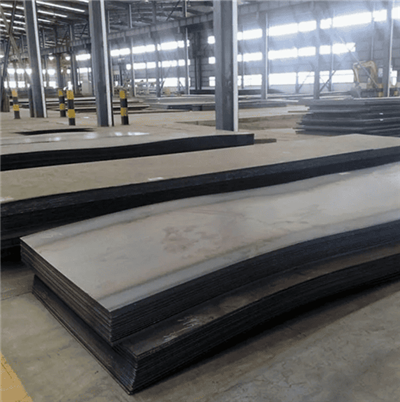
Most Cost-Effective Architectural Applications for A588 Grade A
It delivers the best value in these common architectural scenarios, maximizing savings and performance:
Facades & Cladding: Ideal for vertical/horizontal cladding-its self-forming patina eliminates the need for painting, saving on labor and material costs for hard-to-reach areas.
Light Structural Elements: Guardrails, canopies, and small pavilion frames-its balance of strength and formability reduces fabrication time (and costs) compared to stiffer, higher-grade steel[superscript:2].
Public & Landscape Architecture: Park structures, decorative screens, and planters-low maintenance means no ongoing costs for public spaces, where upkeep is often costly and time-consuming.

How to Maximize Cost-Effectiveness with A588 Grade A
These simple steps help you get the most value from your investment, aligning with lifecycle cost management principles[superscript:1]:
Choose the right thickness: Match thickness to your project (3–5mm for facades, 5–15mm for light structures) to avoid overspending on unnecessary thickness.
Opt for standard sizes: Use commonly available thicknesses (3mm, 5mm, 10mm) to reduce custom fabrication costs-standard sizes are more affordable and readily available.
Leverage its aesthetics: Its natural patina eliminates the need for decorative coatings, saving on additional design and material costs for aesthetic appeal.

When It Might Not Be the Most Cost-Effective Choice
A588 Grade A is cost-effective for most architectural use, but skip it if:
Your project is temporary (<5 years): Ordinary steel may be cheaper upfront for short-term structures, as long-term savings won't offset initial costs.
You need heavy-load structural components: Higher-grade steel (e.g., A588 Grade B) is required, but it's more expensive-though still cost-effective for its intended use.
In short, A588 Grade A Corten Steel is a cost-effective choice for most architectural projects. Its upfront cost is offset by minimal maintenance, long lifespan, and reduced lifecycle expenses-making it a practical, budget-friendly option for designers and buyers seeking durability and value.


