


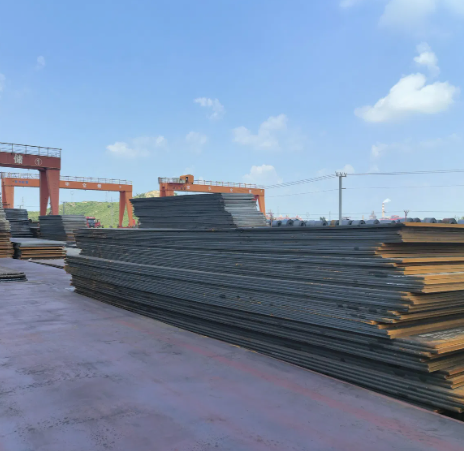
Cold climates-with freezing temperatures, snow, ice, and frequent temperature fluctuations-pose unique challenges for outdoor materials. A588 Grade A Corten Steel, a medium-duty weather-resistant grade standardized by ASTM A588, is often used in outdoor projects worldwide, but many buyers wonder if it holds up in frigid conditions. Will it become brittle and crack in low temperatures? Does cold weather damage its protective patina? Is it a reliable choice for cold-region projects? The core answer is clear: A588 Grade A Corten Steel can withstand most cold climates, thanks to its good low-temperature toughness and stable patina-with minor precautions for extreme freezing conditions. Below is a concise, practical guide.
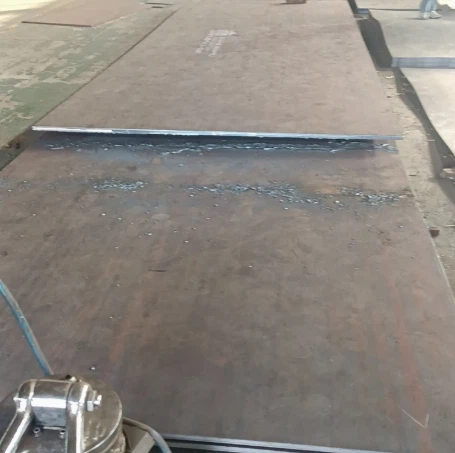
Why A588 Grade A Performs Well in Cold Climates
Its ability to resist cold weather comes from two key traits-toughness and patina stability-that set it apart from ordinary steel:
Low-Temperature Toughness: A588 Grade A is engineered with good toughness (measured by impact strength) even at low temperatures. It retains flexibility down to -20℃ (-4℉), avoiding brittleness that leads to cracking-critical for withstanding freezing and thawing cycles.
Stable Protective Patina: Unlike ordinary steel, its patina doesn't crack or flake in cold weather. The dense, bonded patina remains intact, blocking moisture (even frozen moisture) from penetrating the steel and causing rust.
Alloy Advantage: Its copper, chromium, and nickel composition not only boosts corrosion resistance but also enhances low-temperature performance, preventing the steel from becoming brittle in frigid conditions.

A588 Grade A in Different Cold Climate Scenarios
It performs reliably in most cold environments-here's a practical breakdown for foreign buyers:
Mild Cold Climates (-5℃ to -20℃ / 23℉ to -4℉): Performs excellently with no extra precautions. Ideal for regions with cold winters but minimal extreme freezing (e.g., most of Europe, northern U.S., southern Canada).
Severe Cold Climates (-20℃ to -30℃ / -4℉ to -22℉): Works reliably with minor care. Freezing temperatures may slow patina formation slightly, but the steel remains tough and corrosion-resistant.
Extreme Cold Climates (<-30℃ / <-22℉): Not recommended for unprotected structural use. At these temperatures, even A588 Grade A may lose some toughness-opt for specialized low-temperature steel or add protective coatings.

Practical Tips for Cold Climate Use
These simple steps ensure A588 Grade A performs well in cold weather, with minimal effort:
Clear snow and ice promptly: While the patina resists moisture, prolonged snow/ice buildup can trap water, which may seep into small scratches-clear it periodically to avoid minor corrosion.
Avoid de-icing chemicals: Salt or chemical de-icers can damage the patina over time. Use sand instead for traction on A588 Grade A surfaces (e.g., walkways, guardrails).
Pre-weld care in cold weather: If welding in temperatures <10℃ (50℉), preheat plates to 60–80℃ (140–176℉) to prevent cracking-critical for maintaining structural integrity.
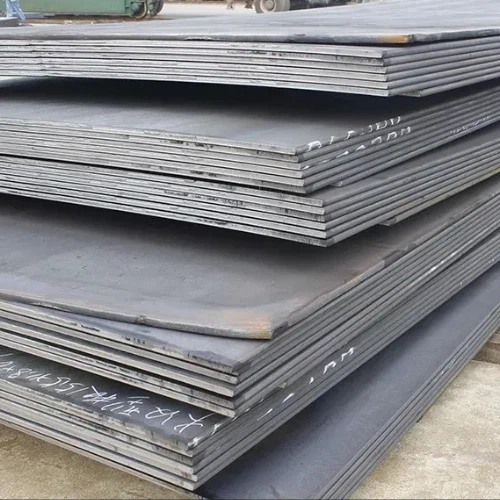
Common Myth Debunked
Myth: Corten Steel becomes brittle in cold weather. Fact: A588 Grade A's low-alloy composition gives it good low-temperature toughness, making it far more resistant to cold-related brittleness than ordinary steel.
In short, A588 Grade A Corten Steel is a reliable choice for most cold climates. Its low-temperature toughness and stable patina ensure it withstands freezing temperatures and thawing cycles, with only minor precautions needed for extreme cold-making it practical for cold-region outdoor projects.


