


Cold climates-with freezing temperatures, frost, and frequent temperature fluctuations-pose unique challenges for outdoor steel. ASTM A606 Type 2 Corten Steel is a popular choice for architectural and light structural projects, but many buyers and fabricators wonder: Can it perform reliably in cold weather? Will freezing temperatures make it brittle or prone to damage? The core answer is clear: ASTM A606 Type 2 is good for mild-to-moderate cold climates, with reliable toughness down to -10°C, and simple precautions for optimal performance in colder conditions. Below is a concise, practical guide tailored to real-world use.
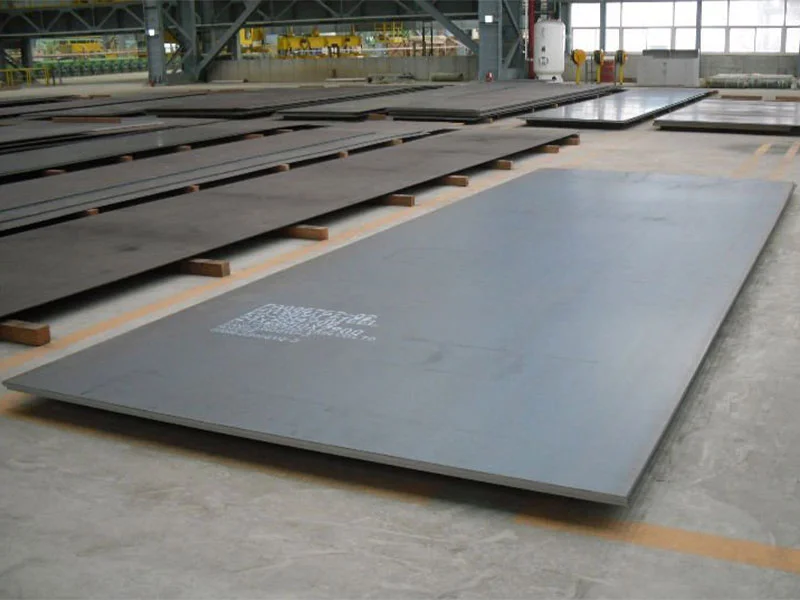
Key Cold-Climate Performance Traits (ASTM-Specified)
ASTM A606 Type 2's cold-climate performance is defined by its HSLA (high-strength low-alloy) composition, which balances strength and toughness-critical for withstanding freezing temperatures:
Toughness Limit: It maintains good ductility and impact resistance down to -10°C (-14°F), per ASTM standards. This means it won't become brittle or crack under normal light structural loads in mild-to-moderate cold.
Corrosion Resistance in Cold: Its natural patina remains effective even in cold, snowy conditions. Frost and melting snow won't damage the patina-though it may form slightly slower in cold, dry air.
Strength Retention: It retains its full mechanical strength (345 MPa minimum yield) in freezing temperatures above -10°C, making it suitable for light structural and architectural use in cold climates.
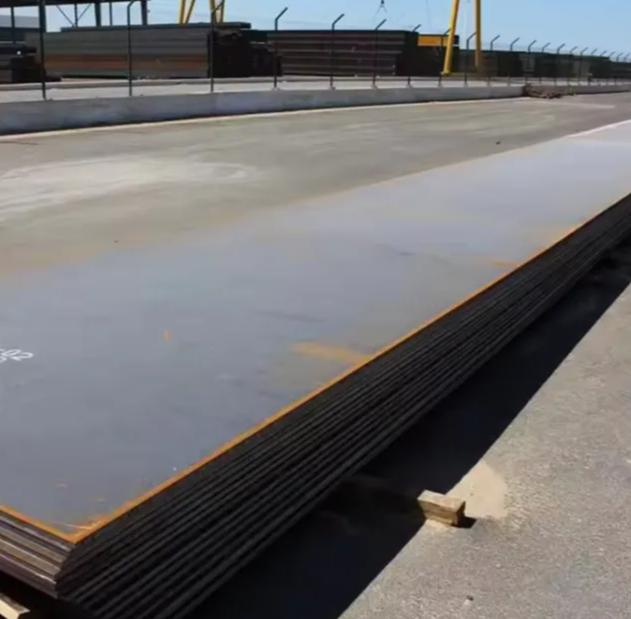
Ideal Cold-Climate Applications
ASTM A606 Type 2 excels in these cold-climate projects, where its performance and low maintenance shine:
Outdoor architectural elements (facades, screens, railings) in regions with winter temperatures above -10°C (e.g., northern U.S., central Europe, mild Canadian regions).
Light structural framing (pergolas, shelter frames) that needs to withstand snow loads without cracking.
Decorative outdoor features (garden sculptures, signage) exposed to frost and occasional freezing rain.
Simple Precautions for Colder Conditions
To maximize performance in cold climates (especially near its -10°C limit), follow these practical steps:
Welding Prep in Cold: If welding in temperatures below 10°C, preheat the steel to 66–93°C (150–200°F) to avoid weld brittleness-this is a quick step that prevents post-weld cracking.
Avoid Heavy Impacts: In temperatures near or below -10°C, the steel's toughness decreases slightly. Avoid sudden impacts (e.g., debris from snowstorms) to prevent surface damage.
Patina Care: Rinse with fresh water (when temperatures are above freezing) to remove salt or de-icer buildup-this ensures the patina remains intact and protective.

When It's Not Ideal (Extreme Cold)
ASTM A606 Type 2 is not suited for extreme cold-avoid it for these scenarios:
Regions with prolonged temperatures below -10°C (e.g., northern Canada, Alaska, Siberia)-opt for a Corten grade with higher cold toughness (e.g., A588 Grade B, which performs down to -20°C).
High-stress cold-climate projects (e.g., heavy light structural framing with large snow loads)-a grade with enhanced cold toughness is safer to prevent cracking.

In short, ASTM A606 Type 2 Corten Steel is a reliable choice for mild-to-moderate cold climates. With its ASTM-specified toughness and simple cold-weather precautions, it delivers long-lasting performance for architectural and light structural projects-without the hassle of extra maintenance.


