


Outdoor applications demand materials that can withstand constant exposure to moisture, oxygen, temperature fluctuations, and occasional pollutants-properties that define the value of Q295NH Corten Steel. As a medium-strength weather-resistant steel, it is often considered for outdoor projects, but its suitability varies by environment and project requirements. For engineers, buyers, and fabricators selecting materials for outdoor use, a critical question remains: Is Q295NH Corten Steel a reliable choice? Based on field practice, corrosion testing, and GB/T 4171 standards, the core conclusion is clear:Q295NH is highly suitable for most mild-to-moderate outdoor environments, but unsuitable for harsh coastal or heavy industrial zones without additional protection. Below is a concise, actionable breakdown.

Why Q295NH Works for Most Outdoor Scenarios
Q295NH's outdoor adaptability stems from three key properties that address common outdoor corrosion and structural challenges:
Protective Patina Formation: Its core anti-corrosion elements (Cu 0.20-0.50%, Cr 0.30-1.20%) react with outdoor air and moisture to form a dense, adherent rust layer within 6-12 months. This patina blocks further oxidation, reducing corrosion rate to 1/3 of ordinary carbon steel.
Balanced Mechanical Strength: With a yield strength of ≥295MPa and elongation ≥23%, it handles light-to-medium outdoor loads (e.g., guardrails, cladding) while resisting deformation from temperature changes and wind.
Low Maintenance Requirement: Unlike ordinary steel that needs frequent painting, Q295NH's patina provides long-term protection, cutting maintenance costs for outdoor projects-critical for large-scale or hard-to-reach installations.
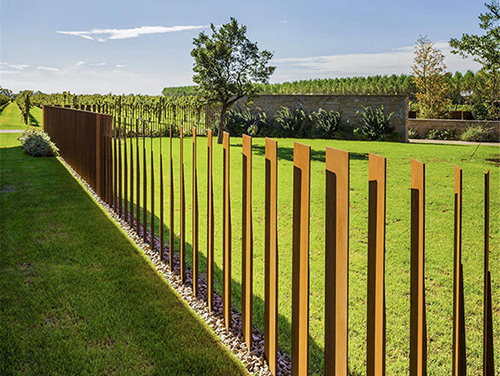
Q295NH Outdoor Suitability: By Environment Type
Not all outdoor environments are the same-Q295NH's performance varies by corrosion grade, with clear boundaries for use:
1. Highly Suitable: Mild Outdoor Environments (C2-C3 Corrosion Grade)
Typical Scenarios: Suburban areas, rural regions, parks, and non-industrial urban zones (low pollution, moderate humidity 60-75%).
Recommended Applications: Outdoor guardrails, decorative cladding, landscape structures (pavilions, trellises), small bridge supports, and traffic sign posts.
Service Life: 15-25 years with minimal maintenance (only occasional cleaning of surface dust).
2. Conditionally Suitable: Mild Industrial Zones (C3-C4 Corrosion Grade)
Typical Scenarios: Light industrial areas with low levels of acidic fumes or dust (e.g., non-chemical workshops, warehouse yards).
Necessary Protection: Apply a thin, breathable anti-corrosion coating (e.g., fluoropolymer topcoat) to reinforce the patina and resist trace pollutants.
Service Life: 10-15 years with annual coating inspections and touch-ups.
3. Unsuitable: Harsh Outdoor Environments (C4+ Corrosion Grade)
Typical Scenarios: Coastal areas (high salt spray), heavy industrial zones (acidic fumes from smelters/chemical plants), and regions with frequent heavy rain or high humidity (>85%).
Risks: Salt or acidic pollutants dissolve Q295NH's patina, accelerating pitting corrosion and reducing service life to 3-5 years (even with protection).
Alternative: Opt for higher-grade Corten Steel (e.g., Q355NH, S355K2W) or stainless steel for these harsh conditions.
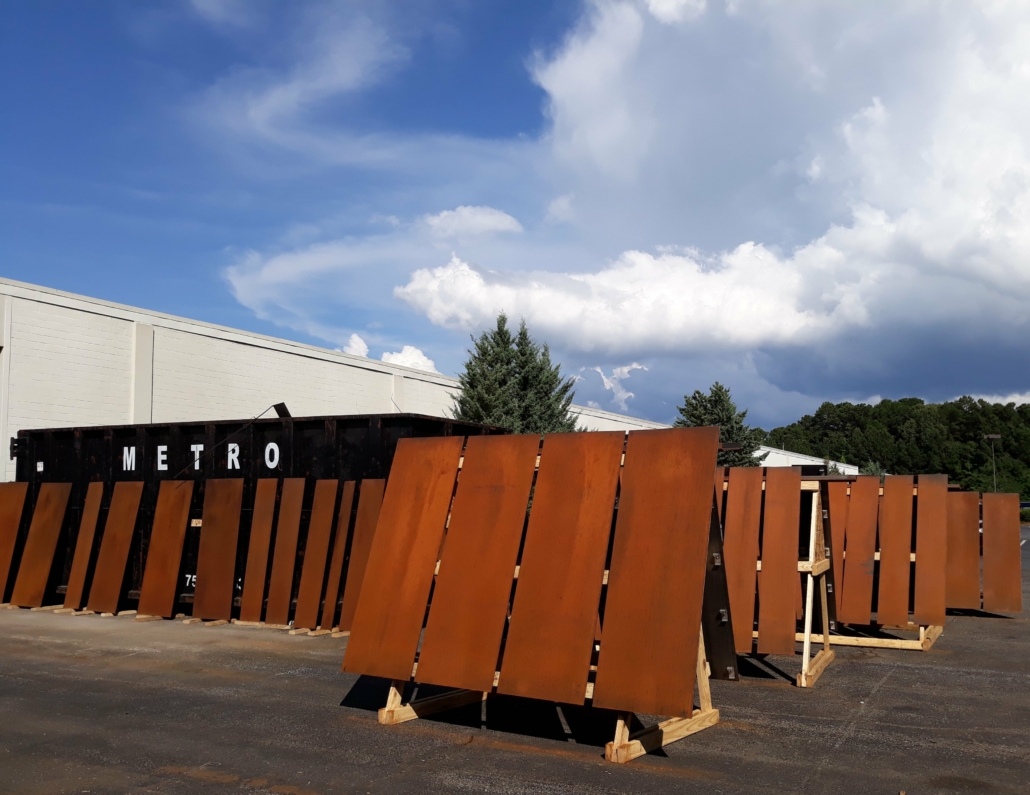
Practical Tips for Outdoor Use of Q295NH
To maximize Q295NH's outdoor service life, follow these simple, actionable steps:
Surface Preparation: Before installation, remove surface oil/dust via shot blasting-this promotes uniform patina formation.
Avoid Water Accumulation: Design components with drainage (e.g., sloped cladding, raised supports) to prevent standing water, which causes localized corrosion.
Post-Installation Care: Let the patina form naturally (avoid premature painting); clean surface dirt quarterly in the first year to ensure patina uniformity.
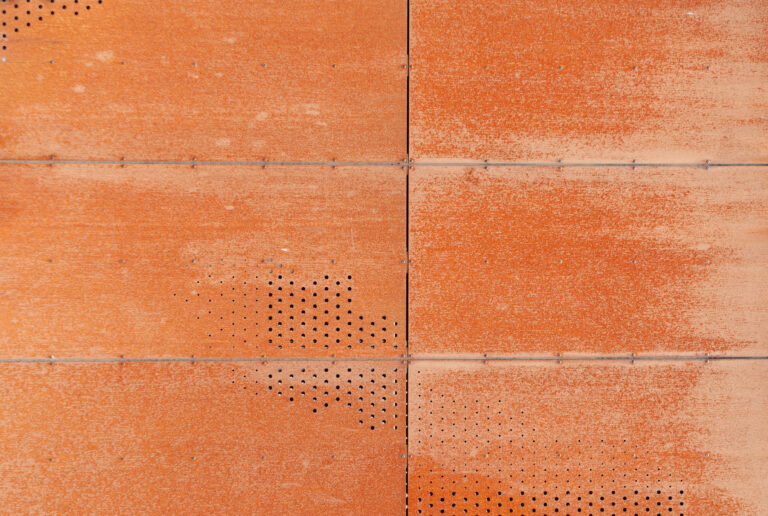
In summary, Q295NH Corten Steel is an excellent choice for most mild-to-moderate outdoor applications, offering a balance of durability, low maintenance, and cost-effectiveness. Its suitability hinges on the outdoor environment-ideal for suburbs, rural areas, and light industrial zones, but not for harsh coastal or heavy industrial sites. By matching it to the right environment and following basic care tips, it delivers reliable long-term performance for outdoor projects.


