


Fabricators, designers, and project managers often prioritize material workability-especially when working on custom outdoor or structural projects. Q310NH Corten Steel is a popular medium-duty option (yield ≥310MPa), but many wonder if its strength and corrosion resistance come at the cost of being hard to weld or form. Can it be easily shaped into custom designs? Does welding require specialized skills or equipment? The core answer is clear: Q310NH Corten Steel is easy to weld and form, especially for light-to-medium thicknesses-its balanced ductility and weldability make it accessible for standard fabrication processes, with minor tips to ensure quality. Below is a concise, practical guide.

Weldability of Q310NH Corten Steel (Simple & Accessible)
Q310NH is designed for ease of welding, compatible with standard methods used for ordinary and Corten Steels-no specialized equipment needed:
Compatible Welding Methods: Works well with common techniques: arc welding (SMAW), MIG welding (GMAW), and TIG welding (GTAW). These are widely used in fabrication shops, making Q310NH easy to work with for most teams.
Preheating Requirements: For thin plates (<20mm), no preheating is needed-saves time and labor. For thicker plates (20–40mm), a light preheat (80–100℃) helps prevent cold cracks, especially in cool environments.
Weld Quality Tip: Use Corten-compatible welding electrodes (e.g., E7018 for arc welding) to match the steel's corrosion resistance-ensures welds form the same protective patina as the base material, avoiding weak points.
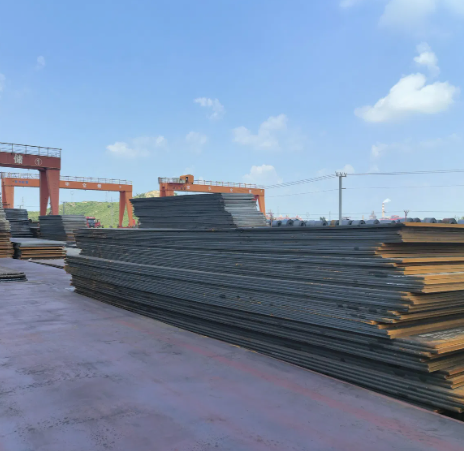
Formability of Q310NH Corten Steel (Flexible for Custom Designs)
Its medium-duty strength doesn't compromise flexibility-Q310NH can be shaped into a variety of forms, ideal for custom projects:
Suitable Forming Processes: Easily bent, folded, rolled, and punched. It's perfect for curved facades, decorative panels, guardrails, and custom garden structures.
Thickness Impact: Thin plates (3–15mm) are very easy to form-can be bent with standard manual or hydraulic benders. Thicker plates (15–40mm) require more force but remain workable with heavy-duty equipment.
Forming Best Practice: Aim for a minimum bend radius (≥2.5x plate thickness) to avoid surface cracks. Slow forming speeds reduce stress, preserving the steel's structural integrity and corrosion resistance.

Key Tips to Avoid Welding/Forming Defects
Keep these simple steps in mind to ensure smooth fabrication and high-quality results:
Clean the surface first: Remove dirt, oil, or loose rust before welding/forming-contaminants can cause uneven welds or surface damage.
Avoid overheating: Exceeding 150℃ during preheating or welding can weaken Q310NH's yield strength and affect patina formation.
Post-weld care: For critical projects, lightly grind welds to smooth the surface-helps the patina form evenly across the entire piece.

How Q310NH Compares to Other Corten Steels
For context, Q310NH is easier to weld and form than higher-strength Corten variants (e.g., Q355GNH), which require more preheating and heavier equipment. It's slightly less flexible than light-duty Q265GNH but offers more strength-striking a perfect balance for most fabrication projects.
In short, Q310NH Corten Steel is easy to weld and form, making it a practical choice for custom outdoor and structural projects. Its compatibility with standard fabrication methods and flexibility for shaping ensure a smooth process, even for teams without specialized skills.


