


Long-distance sea transportation exposes S235J0W Corten Steel (European standard EN 10025-5) to salt spray, high humidity, seawater splashes, and cargo jostling-all of which threaten to cause premature rusting or surface damage. What packaging and transportation measures can reliably protect the material during ocean voyages? The core logic is multi-layer anti-corrosion sealing + stable fixation + moisture control. Below is a concise, actionable guide tailored to S235J0W's characteristics and marine transport scenarios.

1. Core Packaging Requirements: Anti-Corrosion & Damage Prevention
Packaging is the first line of defense against marine hazards. Focus on these key steps for S235J0W:
Pre-Packaging Surface Preparation: Clean the steel surface to remove loose rust, dust, and oil stains. For untreated S235J0W, apply a thin layer of Corten-compatible temporary anti-rust oil (easily removable later) to form a primary moisture barrier-avoid thick oil that hinders subsequent rust layer formation.
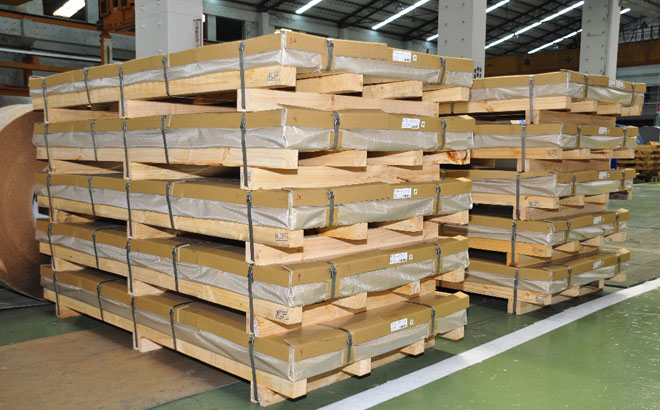
Inner Layer: Salt & Moisture Barrier: Wrap each steel bundle with VCI (Volatile Corrosion Inhibitor) film. This specialized film releases corrosion-inhibiting gas to neutralize salt and moisture, maintaining a protective environment even in sealed containers for long voyages.
Outer Layer: Mechanical & Weather Shield: Cover the VCI film with marine-grade heavy-duty waterproof woven cloth (UV-resistant). Seal all seams with marine-specific waterproof adhesive tape to block salt spray and seawater seepage. Add corner protectors to bundle edges to prevent cloth tearing from friction.
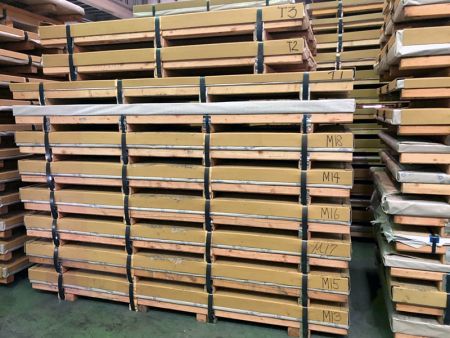
Bundle Fixation & Palletizing: Place each wrapped bundle on ISPM 15-compliant fumigated wooden pallets (required for international shipping) to elevate the steel above the container floor, avoiding contact with accumulated water. Secure bundles with galvanized steel straps (spacing ≤60cm) and add anti-slip mats between layers to prevent shifting.
2. Key Transportation Operation Requirements
Proper handling during transportation complements packaging protection. Focus on these critical steps:
Container Selection & Preparation: Use intact dry containers with tight seals (no cracks or water leakage). Before loading, clean the container interior to remove residual salt, moisture, and debris. Place desiccant bags (1-2kg per 10m³ of container space) to absorb excess moisture from temperature fluctuations.
Loading & Stowage: Avoid over-stacking-limit to 2 layers for thin sheets (≤8mm) and 1 layer for thick plates (>8mm) to prevent packaging deformation. Use fumigated wooden dunnage between bundles and container walls to buffer collision impact. Secure the entire cargo with lashing straps anchored to container lashing rings.
Cargo Segregation: Never stow S235J0W with corrosive goods (e.g., chemicals, fertilizers), wet goods (e.g., timber, textiles), or goods that release harmful gases. These will accelerate corrosion or damage the protective packaging.
Quick Verification Checklist for Overseas Shipment
VCI film fully covers each bundle, with no gaps or tears.
Waterproof cloth is tightly sealed and corner protectors are installed.
Bundles are fixed on ISPM 15 pallets and secured with steel straps.
Desiccant bags are placed in the container.
Cargo is segregated from incompatible goods.
In summary, protecting S235J0W during long-distance sea transport relies on a combination of professional anti-corrosion packaging and scientific stowage operations. Following these requirements effectively prevents premature rusting and surface damage, ensuring the material meets EN 10025-5 performance standards upon arrival at the destination.


