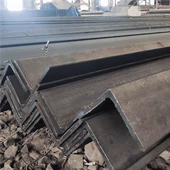
Understanding the Structural Strength of Corten Steel in Construction
Corten steel is widely used in construction due to its combination of structural strength, durability, and corrosion resistance. Its unique chemical composition, which includes copper, chromium, and nickel, allows it to develop a protective patina while maintaining mechanical integrity, making it suitable for both architectural and infrastructural applications.
Mechanical Properties
Corten steel exhibits high tensile strength and toughness, which ensures that structures made from it can withstand heavy loads and stresses. Its yield strength typically ranges between 345 to 450 MPa depending on the grade, while its tensile strength can reach up to 550 MPa. This makes it comparable to conventional structural steels used in bridges, buildings, and outdoor installations. Additionally, its alloying elements improve resistance to low-temperature brittleness, making it suitable for cold climates and environments with temperature fluctuations.

Durability and Long-Term Performance
The self-forming patina of Corten steel not only protects it from corrosion but also contributes to maintaining its structural performance over time. Unlike mild steel, which requires coatings to prevent rust and corrosion, Corten steel maintains its strength even in harsh weather conditions. This durability reduces maintenance costs and extends the lifespan of structures, providing a cost-effective solution for long-term construction projects.

Design Considerations
When designing with Corten steel, engineers should consider factors such as environmental exposure, load requirements, and proper drainage to avoid water accumulation, which can affect patina formation and structural performance. Proper detailing ensures that the steel's mechanical properties are fully utilized while preserving its aesthetic appeal.

Conclusion
Corten steel combines structural strength with corrosion resistance, making it ideal for durable, low-maintenance construction projects. Its mechanical properties, long-term performance, and weathering characteristics provide engineers and architects with a reliable material for a wide range of applications.