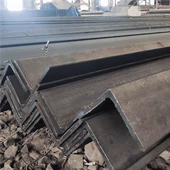
What ASTM A588 Grade K Covers
ASTM A588/A588M is the specification for high-strength low-alloy structural steel with improved atmospheric corrosion resistance, supplied as plates, shapes and bars for welded, bolted or riveted construction. Grade K is one of the grades written into that specification, alongside Grades A and B, and it is ordered by the same document while carrying its own limits for chemical composition and mechanical properties.
This matters in purchasing: a certificate that simply states A588 without a grade is not precise enough to buy against. Grade K has to be checked against the composition and property table that applies to Grade K itself, not against the table for Grade A or Grade B. Grade K plate is chosen where a designer needs the strength level of a weathering structural steel together with dependable atmospheric corrosion resistance in exposed, unpainted work.
Mechanical Property Requirements for Grade K Plate
Weathering grades under ASTM A588/A588M share the same minimum strength level for plate products, so Grade K plate meets the values shown below.
| Property (ASTM A588/A588M plate) | Requirement |
|---|---|
| Minimum yield strength | 345 MPa (50 ksi) |
| Minimum tensile strength | 485 MPa (70 ksi) |
| Plate thickness range for these minima | up to 100 mm |
| Atmospheric corrosion resistance | about twice that of copper-bearing carbon steel |
The strength level places the grade in the same family as conventional 345 MPa structural steels, which is why it can be substituted for those steels in exposed structures without redesigning member sizes. What changes is the exposure behaviour: the alloyed plate resists atmospheric attack instead of relying on paint or galvanising for protection.
How Atmospheric Corrosion Resistance Develops
Grade K plate contains copper, chromium and related alloying elements that change the chemistry of the rust layer. Instead of flaking away as loose red oxide, the surface builds a dense, tightly adherent patina that acts as a barrier between the steel and the atmosphere. Because the patina is stable, the rate of further metal loss falls sharply after the first few years of exposure.
Three conditions govern whether that happens:
Alternating wet and dry cycles, so the patina can form and then dry out and densify
Regular washing by rain, which carries deposited contaminants away from the surface
Free airflow and drainage, so no surface stays permanently wet or chemically concentrated
Where these conditions are met, unpainted A588 Grade K plate can serve for decades with limited inspection. Where they are not met, the alloying benefit is reduced, and designers either improve the detailing or apply a protective coating system.
Where A588 Grade K Plate Is Used
The grade is applied in structures that are exposed to weather, are difficult to repaint, and benefit from a maintenance-free surface:
Highway and railway bridge girders, cross-bracing and bearing stiffeners in weather-exposed spans
Unpainted exposed steelwork such as columns, trusses and canopies in industrial architecture
Transmission and lighting poles, gantries and sign support structures along transport corridors
Materials handling frames, transfer towers and conveyor support steel in bulk terminals
Retaining structures, culverts and exposed foundation steelwork above ground level
Architectural cladding support and exposed sculptural or landscape steelwork
In each case the economic argument is the same: fewer coating cycles, less access equipment, and a longer interval between corrosion-driven repairs than with ordinary structural carbon steel.
Fabrication, Weathering and Inspection Notes
Weathering plate behaves like other 345 MPa structural steel in the workshop, with a few grade-related cautions:
Use low-hydrogen welding procedures matched to the plate thickness and joint design
Keep weld surfaces and heat-affected zones clean, so the patina can form uniformly across the joint
Specify weathering steel bolts and fasteners, so the fixings weather at the same rate as the plate
Avoid pockets and crevices that trap water, and detail all members to drain
Allow for the surface colour change from mill grey to a deep brown over the first years of exposure
Note that chloride-rich coastal exposure slows patina formation, so drainage and wash-down become more important
Leave the plate free of oil, paint overspray and mill scale pockets only where the specification permits; contamination delays patina formation
Frequently Asked Questions
Q: What is A588 Grade K steel?
It is a grade of high-strength low-alloy weathering steel covered by ASTM A588/A588M, with a minimum yield strength of 345 MPa and a minimum tensile strength of 485 MPa for plate products, and with atmospheric corrosion resistance about twice that of copper-bearing carbon steel.
Q: How does Grade K differ from Grades A and B?
All three grades sit under the same specification and share the same minimum strength level, but each has its own chemical composition limits. Grade K must be ordered, certified and inspected against its own table in the specification.
Q: Does A588 Grade K plate need to be painted?
In most atmospheric exposure it can be left unpainted, because the alloyed surface develops a protective patina. Painting is normally considered only where chlorides, persistent moisture or appearance requirements prevent a stable patina from forming.
Q: Can Grade K plate be welded in the same way as ordinary structural steel?
Yes. It is welded with standard low-hydrogen consumables and procedures matched to the thickness, and welds are detailed so that they drain freely and take on the same weathered appearance as the parent plate.
Q: Why does the patina need wet and dry cycles?
The protective layer is created by repeated wetting and drying. Steel that stays permanently wet, or that sits in a trapped, salt-rich pocket, cannot densify its oxide layer and will corrode faster than the same steel in free exposure.
Q: Is A588 Grade K suitable for coastal structures?
The grade is used in marine-adjacent work, but chloride exposure slows patina formation and reduces its protective effect. In those locations the design must manage drainage, airflow and salt accumulation carefully, and additional protection may be needed on critical members.