


1. Environmental Suitability
Only for inland, non‑coastal environments
Avoid locations within 2 km of the ocean, saltwater pools, or areas with heavy de‑icing salt exposure. High chloride levels prevent stable patina formation and cause accelerated corrosion.Avoid heavily polluted industrial zones
High sulfur dioxide or chemical fumes can damage the protective oxide layer.
2. Drainage and Ventilation
Eliminate standing water and trapped moisture
Design all surfaces to slope toward drainage points. Prolonged wetness causes uneven rusting, staining, and premature corrosion.Ensure continuous air circulation
Avoid enclosed, unventilated pockets. Adequate airflow accelerates drying and promotes uniform patina development.

3. Structural and Fabrication Design
Avoid sharp notches, abrupt thickness changes, and severe stress concentrations
These areas corrode faster and may initiate cracking.Allow for thermal movement
Weathering steel expands and contracts with temperature; sufficient gaps or flexible connections prevent warping or buckling.Use appropriate thickness for durability
Thin sheets are suitable for cladding and decorative elements; thicker sections are required for structural components like beams, columns, and retaining walls.
4. Material Compatibility and Galvanic Corrosion
Prevent direct contact with dissimilar metals
Contact with copper, stainless steel, or galvanized steel causes galvanic corrosion. Use isolating gaskets, coatings, or non‑conductive separators.Avoid contact with limestone, concrete, or masonry without isolation
Alkaline materials disrupt patina formation and cause surface staining.
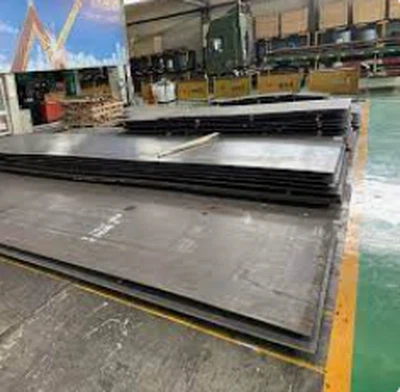
5. Surface and Aesthetic Control
Allow natural patina development
Initial surface color will change from grey to orange‑brown and finally to a deep brown‑purple over 6–12 months. Design to accept this natural color evolution.Control surface runoff
Weathering steel may produce temporary rust runoff during early exposure. Design gutters, diverters, or protective barriers to prevent staining on adjacent materials.
6. Welding and Connection Details
Use weathering‑compatible welding electrodes
Match filler metal to the base material to maintain corrosion resistance in weld zones.Smooth weld beads and remove spatter
Rough welds trap moisture and corrode unevenly.

7. Maintenance and Long‑Term Durability
No painting or coating required
Coatings interfere with patina formation and are unnecessary for properly designed structures.Periodic inspection
Check for trapped debris, blocked drainage, and unusual corrosion; clean gently if needed.


