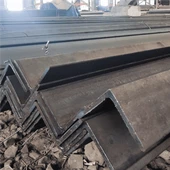
1. Why Unmodified Weathering Steel Handrails Lack Non-Slip Properties
Surface Characteristics: The natural patina of weathering steel forms a dense, relatively smooth oxide layer (10–20 μm thick). When exposed to rain, dew, or condensation, this surface becomes wet and slippery, posing a safety risk for hand contact.
Outdoor Environmental Factors: In humid or shaded areas, moss, algae, or dust can accumulate on the handrail surface, further reducing friction and increasing slip hazards.

2. Effective Ways to Add Non-Slip Features to Weathering Steel Handrails
(1) Surface Texturing (Most Common for Handrails)
Laser Etching/Patterned Perforations: Create shallow, uniform grooves (e.g., linear, cross-hatched, or dotted patterns) on the handrail's gripping surface. The grooves increase friction between hands and the steel, while the depth (0.5–1 mm) is minimal enough to preserve the patina's natural appearance.
Sandblasting: Use abrasive sandblasting to roughen the handrail surface, forming a matte, grainy texture that boosts slip resistance. Post-sandblasting, apply a rust accelerator to ensure uniform patina formation on the textured area.
Hot-Dip Galvanizing + Texturing (For High-Moisture Areas): A thin galvanized layer can be added before texturing, but this is less common as it covers the natural rust patina. Opt for this only in coastal or heavy-rain regions where maximum corrosion resistance is needed.

(2) Structural Design Modifications
Profile Optimization: Choose oval or square handrail profiles with rounded edges instead of smooth circular ones. The flat surfaces of oval/square profiles provide more contact area and friction than cylindrical surfaces.
Add Non-Slip Inserts: Embed removable rubber or silicone non-slip pads into pre-cut slots on the handrail. These pads are replaceable and do not damage the steel's patina, suitable for high-traffic public staircases (e.g., parks, commercial buildings).

(3) Protective Coating with Non-Slip Additives
Apply a breathable anti-slip clear coat containing silica or aluminum oxide particles. The particles create a rough surface texture, while the breathable coating locks in the patina and prevents excessive rusting. This method is ideal for indoor-outdoor staircases where aesthetic consistency is a priority.

3. Maintenance Tips to Preserve Non-Slip Performance
Regular Cleaning: Rinse outdoor handrails with clean water every 3–6 months to remove moss, algae, or dust that can reduce friction. Avoid acidic cleaners, which damage the patina and non-slip texture.
Patina Repair: If the textured surface's patina is worn, reapply a rust accelerator to maintain the protective oxide layer and prevent slippery surface corrosion.
Inspect Inserts: For handrails with rubber inserts, check and replace worn pads annually to ensure consistent slip resistance.

4. Application Scenarios & Safety Notes
Suitable For: Outdoor residential staircases, park trails, industrial-style commercial buildings, and heritage restoration projects.
Not Recommended For: Staircases in heavy-rain or icy regions without additional anti-slip treatments-ice accumulation can still reduce friction, so pair with de-icing measures (e.g., heated handrail elements) in cold climates.