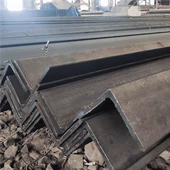
S235J2W Corten Steel (EN 10025-5) is widely used in industrial plants, power station auxiliaries, and cold-region structures, where it may face high-temperature exposure or fire risks. As a low-strength weather-resistant steel with -20℃ impact toughness, how does its thickness influence the ability to retain structural integrity and performance under high temperatures? This question directly relates to project safety and material selection rationality. The core takeaway is clear: S235J2W thickness positively enhances fire resistance and high-temperature performance, but the improvement plateaus beyond 25mm-with thin sheets more prone to rapid performance degradation. Below is a concise, actionable breakdown.
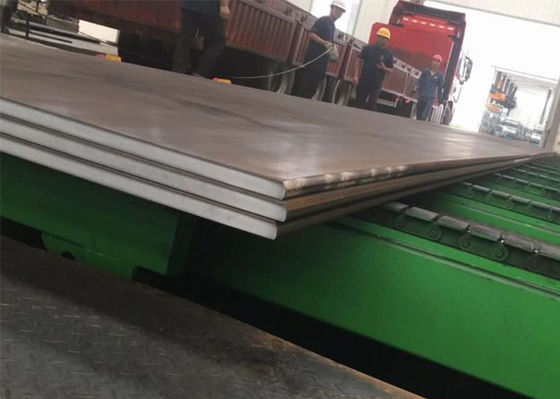
1. Impact on High-Temperature Performance: Thickness Boosts Thermal Stability
High-temperature performance here refers to the material's ability to maintain mechanical properties (strength, ductility) at 200-600℃. For S235J2W, thickness exerts its effect primarily through thermal inertia-the ability to resist temperature rise:
Strength Retention Difference: Thicker S235J2W conducts heat more slowly. At 500℃ (a typical industrial high-temperature environment), a 12mm-thick sheet retains ~40% of its room-temperature yield strength (≥235MPa), while a 6mm-thin sheet only retains ~30%. The thicker material's core stays cooler longer, delaying strength loss.
Thermal Deformation Resistance: Thin-gauge S235J2W (≤8mm) is prone to warping or cracking under high temperatures due to low structural rigidity. Thicker sheets (≥10mm) better withstand thermal stress from temperature gradients, ensuring dimensional stability in long-term high-temperature service (e.g., boiler peripherals, industrial furnace supports).
Key Note: Regardless of thickness, S235J2W's strength declines sharply above 550℃, dropping to less than 50% of room-temperature levels. Thickness can only mitigate this decline, not reverse it.
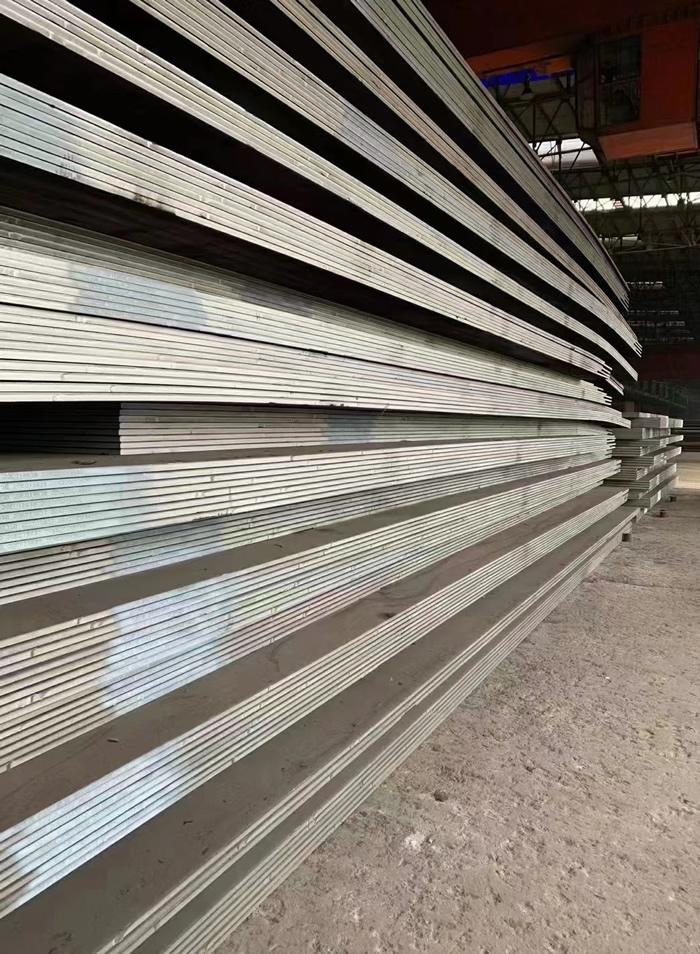
2. Impact on Fire Resistance: Thickness Extends Fire Endurance Time
Fire resistance is measured by fire endurance time-the duration the material maintains load-bearing capacity under standard fire conditions (per EN 13381 or ASTM E119). For S235J2W, thickness is a decisive factor:
Basic Rule: Thicker = Longer Endurance: Practical data shows: 8mm-thick S235J2W has a fire endurance of ~15 minutes; 15mm-thick = ~35 minutes; 20mm-thick = ~50 minutes. The thicker cross-section requires more time for fire heat to penetrate to the core, delaying the loss of load-bearing capacity.
Plateau Effect: When thickness exceeds 25mm, the increase in fire endurance becomes negligible. A 25mm-thick sheet has a fire endurance of ~55 minutes, while a 30mm-thick sheet only extends to ~60 minutes. Beyond this, thicker material offers little additional benefit but significantly raises costs.
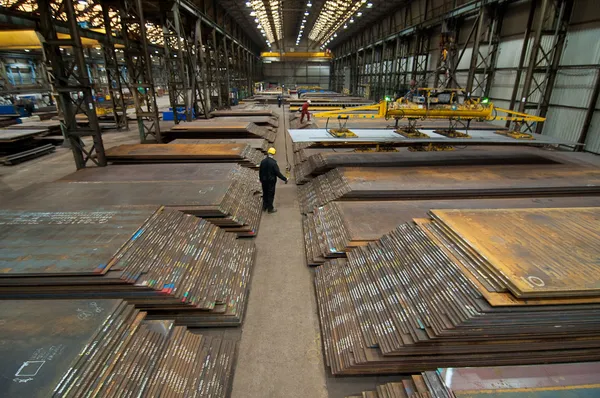
3. Practical Selection Tips for Different Scenarios
Low-Temperature Heat Exposure (200-300℃): For non-load-bearing components (e.g., decorative cladding in industrial workshops), 6-8mm S235J2W suffices. For load-bearing parts (e.g., light-load support beams), choose 10-12mm to ensure strength retention.
Fire-Prone Environments: If local codes require 30+ minutes of fire endurance (e.g., public building auxiliary structures, port terminal facilities), select 15-20mm S235J2W. For requirements of 50+ minutes, do not rely solely on thickness-pair with intumescent fire-resistant coatings (dry film thickness 1.0-2.0mm) for cost-effectiveness, as this is more economical than thickening the material.
Cold-Region High-Temp Applications: In cold industrial zones (temperatures ≤-20℃) with high-temperature risks, prioritize 12-15mm S235J2W. This thickness balances high-temperature stability and the material's inherent low-temperature toughness, avoiding brittle fracture after thermal stress.
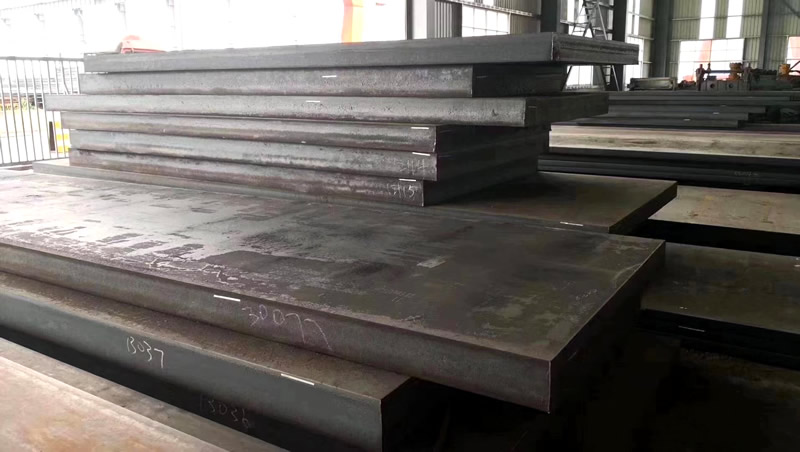
In summary, S235J2W thickness positively impacts fire resistance and high-temperature performance by slowing heat transfer. However, the improvement plateaus above 25mm. Selecting the right thickness based on temperature conditions, fire code requirements, and cold-region service needs-along with optional fire protection coatings-ensures structural safety and cost rationality.