


Coastal environments pose unique corrosion challenges-salt spray, high humidity, and constant exposure to moisture can quickly degrade even durable materials. For project owners considering ASTM A871 Grade 65 Corten Steel for coastal use, a key question arises: can this high-strength material stand up to salt-laden air and maintain its performance? The answer lies in its corrosion resistance design and proper care, which we break down simply below.

Why It Works in Coastal Environments
ASTM A871 Grade 65 Corten Steel is engineered with corrosion resistance at its core, making it well-suited for coastal settings. Its alloy composition (with copper, chromium, and phosphorus) forms a dense, protective patina when exposed to salt and moisture-this patina acts as a barrier, preventing salt from penetrating the steel and causing rust or degradation, per ASTM A871/A871M standards.

Corrosion Resistance: What You Need to Know
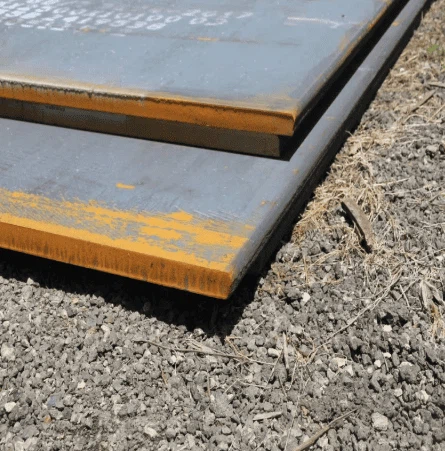
Unlike plain carbon steel, which rusts rapidly in coastal areas, Grade 65 Corten Steel's patina evolves over 3–12 months (from orange to gray-brown) and self-heals minor scratches. This natural protection eliminates the need for additional coatings, which often peel or fail in salt-rich coastal air.
Practical Care Tips for Coastal Use
Regular Rinse: Rinse the surface with fresh water every 1–2 months to wash away salt deposits-this prevents patina degradation and extends service life.
Avoid Harsh Cleaners: Skip bleach, abrasive scrubbers, or high-pressure washing, as these damage the protective patina.
Inspect Annually: Check for localized corrosion (rare, but possible in heavy salt exposure) and lightly rinse affected areas to restore patina.

In short, ASTM A871 Grade 65 Corten Steel delivers reliable corrosion resistance in coastal environments, with simple care steps to maximize its lifespan. It's a cost-effective, low-maintenance choice for coastal structural projects.


