


Edging is available in a variety of natural materials, such as wood and stone, or man-made materials, such as plastic and concrete. Each of these materials has its own strengths and weaknesses in appearance, installation, cost, and longevity.
Corten steel, also called weathering steel, which is a high-strength, low-alloy steel, forms a steady rust-like appearance when exposed to the weather.
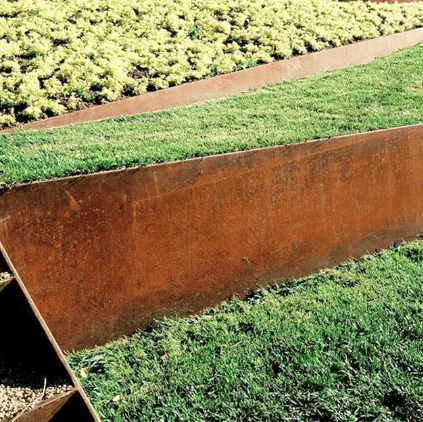
This patina gives the steel a distinctive exterior appearance and also serves as a protective barrier against further corrosion. In contrast to ordinary steel, weathering steel requires no painting or sealing.
Advantages of Corten Steel Edging
1. Durability: Weathering and Corrosion Resistance
Corten steel is built to withstand severe environmental conditions. Its weather-proofing properties make it more resistant to corrosion from the atmosphere than other metals. A protective patina layer is formed on the steel with time, protecting it from further corrosion and making sure it will last far more than traditional materials such as wood and plastics.
2. Aesthetics: Natural Rust Surface and Modern Appearance
An outstanding characteristic of Corten steel relates to its unique, ever-changing surface finish. Developing a rich burnt umber color with time, its finish blends beautifully with both rustic and modern landscaping. An exquisite, everlasting aesthetic is the result, boosting the visual attractiveness of your garden.
3. Low maintenance: Install It and Leave It
After installation, Corten steel garden edging is almost maintenance-free. Contrary to wood, there is no need to treat or seal it. And unlike plastic, it does not crack or deteriorate in the sun. With its natural rust coating, it practically contributes to the preservation of the steel's integrity, with no need for repainting or chemical treatments.
Compare with Other Common Edging Materials
Wood Edging
• Pros: Easily accessible, comparatively inexpensive, and simple to cut and install.
• Cons: Perishable, termite hazard, warping, and fading.
• Best uses: Temporary or affordable garden projects.
Although timbers can be a great way to add a natural touch, their life expectancy is short. Humidity and insects will quickly destroy its construction, leading to frequent replacements.
Plastic Edging
• Pros: Economical, portable, and flexible.
• Cons: Susceptible to cracking, UV damage, and looks artificial.
• Best Uses: Low-traffic area or recreational garden edging.
Flexible and easy to install, plastic is frequently selected for its flexibility. However, it lacks the durable and aesthetic qualities of more robust materials.
Stone Edging
• Pros: Very resistant, elegant, and naturally looking.
• Cons: Costly, heavy, and laborious to install.
• Best Uses: Formal gardens and historic landscapes.
Masonry is an ideal material for conventional gardens, but it may not be as good as Corten steel for design flexibility and simplicity of installation.
Concrete Edging
• Pros: Long service life, ability to be molded into a variety of shapes.
• Cons: Cracks easily, heavier, not environmentally friendly.
• Best Uses: Permanently installed facilities and commercial projects.
Concrete edging, although strong, lacks the beauty and recyclability of warmth of Corten steel.
Corten Steel Edging
• Pros: Strong, high visual impact, environmentally friendly, low maintenance.
• Cons: The Initial cost is higher compared to plastic and wood.
• Best Uses: Modern, specialty, or long-term landscaping projects.
Corten Steel Edging Installation
Corten steel edging comes in flexible and rigid forms, making it easy to shape around garden beds, trees, and sidewalks. Installation usually involves:
• Planning the layout
• Drawing a shallow trench
• Plugging in the edging
• Secure with stakes or dowels
No heavy equipment is required, and curved layouts can even be easily achieved.
Design Versatility
Available in custom lengths, Corten steel comes in a variety of shapes and heights. Corten steel offers unrivaled design flexibility, from outlining a meandering garden path to constructing a raised flower bed.
Environmental Factors
Sustainable
Corten steel is 100% recyclable and is usually made from recycled materials. It has a long service life and reduces the frequency of replacement, thus minimizing the impact on the environment in the long term.
Impact on Soil and Plants
After the formation of the patina layer, Corten steel is inert and does not leach harmful substances into the soil. This makes it safe for the surrounding plants and contributes to a healthy garden ecosystem.
Cost Analysis
Initial Investment
As much as Corten steel landscape edging can cost more upfront than plastic or wood, it is less costly than natural stone or custom concrete installations. For those who want a balance of design and durability, it offers a cost-effective solution.
Long-term Value
With minimal maintenance requirements and a super-long service life, Corten steel is extremely valuable over the long term. There is less chance of you spending money on repairs, expansions, or treatments, making it a smart financial decision in the long run.
Corten steel edging is a perfect combination of aesthetic sophistication, construction robustness, and environmentally friendly design. Built to withstand environmental forces better than other materials, it doesn't require as much maintenance and can add a timeless appeal to any outdoor space.
Corten steel is a worthy standout for homeowners, designers, and contractors seeking a modern, long-lasting landscape edging solution.


