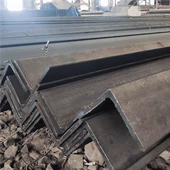
Wondering how SPA-H and SPA-C Corten Steel (both JIS G 3125 standard) differ when selecting materials for your overseas project? Their gaps in chemical composition directly shape weather resistance and application scope-critical factors for avoiding mismatched selections and project risks. Below is a concise, comparison-focused guide to clarify these core differences and help you make informed choices.

1. Core Gap: Chemical Composition
As sister grades under JIS G 3125, SPA-H and SPA-C share a basic Cu-Cr-P alloy system but differ significantly in alloy content and addition, especially for elements enhancing harsh-environment resistance:
SPA-C: Cu (0.05-0.30%), Cr (0.30-1.25%), P (0.07-0.15%). No mandatory addition of Ni, Nb, or V. The alloy range is relatively flexible, focusing on cost-effectiveness for general weather-resistant scenarios.
SPA-H: Higher and more strictly controlled alloy content: Cu (0.20-0.50%), Cr (0.30-1.25%), P (0.07-0.15%), and mandatory Ni (0.60-1.00%). Ni is the key differentiator-it significantly improves the stability of the self-protective rust layer in corrosive environments.

2. Derived Difference: Weather Resistance Performance
The variation in alloy composition leads to distinct weather resistance, especially in harsh environments common in overseas projects:
Mild Environments (Inland Rural/Urban Areas): Little difference. Both form dense α-FeOOH rust layers with annual corrosion rates of 0.01-0.02mm/year, suitable for general architectural or non-load-bearing structures.
Harsh Environments (Coastal, High-SO₂ Industrial Areas): SPA-H outperforms significantly. Ni in SPA-H promotes the formation of a more stable rust layer that resists Cl⁻ (salt spray) and SO₂ erosion. Its annual corrosion rate in coastal areas is ≤0.03mm/year, while SPA-C reaches 0.04-0.06mm/year. SPA-H's rust layer is less prone to peeling, ensuring longer-term protection.
Low-Temperature Environments: SPA-H has better low-temperature toughness (impact energy ≥27J at -20℃) due to Ni addition, making it suitable for cold regions. SPA-C's low-temperature performance is relatively weaker, not recommended for long-term use below -20℃.

3. Scenario-Based Selection Guide for Overseas Projects
Choose the grade based on your project's environment and budget to balance performance and cost:
Choose SPA-H if: Your project is in coastal/high-salt-spray areas, industrial zones with high SO₂ concentrations, or cold regions (-20℃ to -30℃); or if it involves load-bearing structures requiring long-term durability (e.g., coastal bridges, offshore platform components).
Choose SPA-C if: Your project is in mild inland environments; or if it's non-load-bearing (e.g., landscape walls, decorative components) with tight budget constraints. It's a cost-effective option for general weather-resistant needs.

In short, the key differences between SPA-H and SPA-C lie in Ni content and subsequent harsh-environment resistance. SPA-H is the premium choice for tough overseas project conditions, while SPA-C suffices for mild scenarios. Aligning the grade with your project's environment ensures optimal performance and cost-efficiency.