


The atmospheric corrosion resistance of Q235NH Corten Steel-its defining trait as a weather-resistant material-stems from specific chemical elements in its composition. Unlike ordinary carbon steel that rusts uncontrollably, Q235NH relies on a synergistic blend of trace elements to form a stable protective patina. What key chemical elements drive this performance, and how do they work together? Rooted in GB/T 4171 standards and corrosion science, the core conclusion is clear: Copper (Cu), Chromium (Cr), and Phosphorus (P) are the primary elements enhancing Q235NH's atmospheric corrosion resistance, with each playing a unique role in patina formation and stability. Below is a concise, actionable breakdown.
Key Background: Patina Formation & Element Synergy
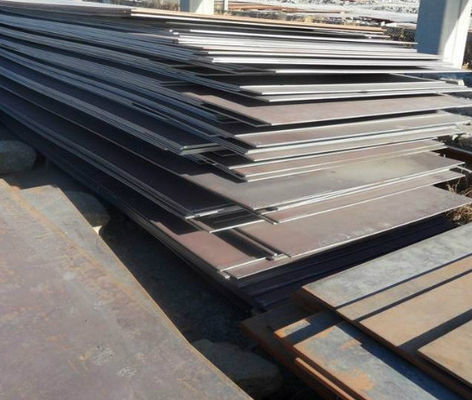
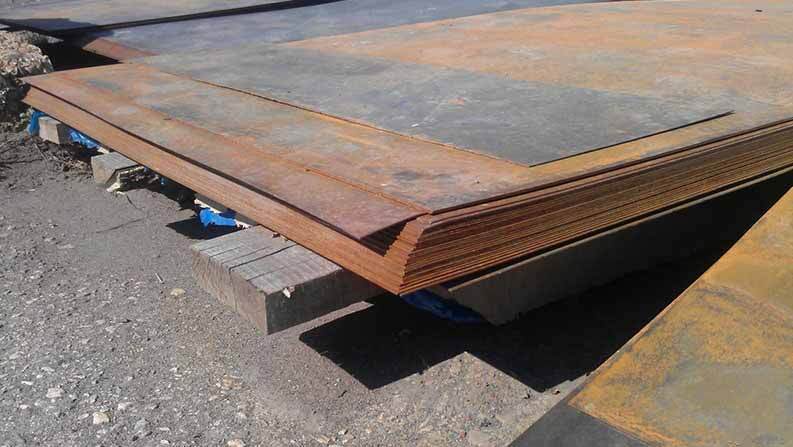
Q235NH's corrosion resistance hinges on a dense, adherent patina (protective rust layer) that forms naturally when exposed to air and moisture. This layer blocks oxygen and moisture from reaching the steel substrate, slowing corrosion to 1/3-1/2 the rate of ordinary Q235 carbon steel. The three key elements work in tandem to accelerate patina formation, densify its structure, and prevent premature flaking.
Core Elements: Functions & Standard Content Ranges
GB/T 4171 strictly regulates the content of these elements to ensure consistent corrosion resistance-too little reduces effectiveness, while excess harms weldability or toughness. Here's their specific role and dosage:
1. Copper (Cu): The Foundation of Patina Formation
Core Function: Copper is the most critical element for Q235NH's weather resistance. It diffuses to the steel surface during initial rusting, reacting with oxygen and moisture to form a copper-rich oxide phase. This phase acts as a "binding agent," promoting the growth of a dense, uniform patina.
Standard Content: 0.20-0.50% (GB/T 4171). Below 0.20%, patina formation is slow and uneven; above 0.50%, it impairs weldability and increases brittleness.
2. Chromium (Cr): Enhances Patina Stability
Core Function: Chromium reinforces the patina's structural stability and chemical resistance. It forms chromium oxides within the patina layer, making it more resistant to acidic pollutants (e.g., mild acid rain) and moisture penetration.
Standard Content: 0.30-1.20% (GB/T 4171). It works synergistically with copper-chromium's oxide network locks in copper-rich phases, preventing the patina from washing away in rainy conditions.
3. Phosphorus (P): Accelerates Patina Densification
Core Function: Phosphorus acts as a "catalyst" for patina maturation. It promotes the transformation of loose iron oxides (ordinary rust) into dense, adherent phases, shortening the time needed for the patina to become protective (from months to weeks in mild environments).
Standard Content: 0.07-0.15% (GB/T 4171). Strictly controlled-excess phosphorus (>0.15%) reduces low-temperature toughness, while insufficient amounts delay patina formation.
Supporting Base Elements: Balancing Performance
While Cu, Cr, and P drive corrosion resistance, Q235NH's base composition (C, Si, Mn) ensures structural integrity and processability:
Carbon (C ≤0.18%): Low carbon content preserves weldability, avoiding conflicts with the key corrosion-resistant elements.
Silicon (Si ≤0.55%) & Manganese (Mn ≤1.40%): Enhance strength and deoxidation during production, supporting the patina's formation by maintaining a uniform substrate.

Practical Guidelines for Procurement & Use
Understanding these elements helps avoid quality issues and optimize Q235NH's performance:
Procurement Check: Verify the mill test report (MTR) confirms Cu, Cr, and P within GB/T 4171 ranges-avoid batches with element content outside the standard.
Environment Adaptation: These elements excel in mild atmospheric environments (rural/suburban). For coastal or heavy industrial zones, additional coatings are still needed, as salt spray or strong acids can overwhelm the patina.
Welding Note: Use low-hydrogen consumables to avoid diluting the key elements in the weld heat-affected zone (HAZ), preserving corrosion resistance at joints.
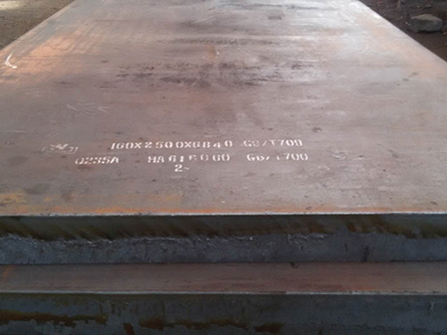
In summary, Q235NH Corten Steel's atmospheric corrosion resistance relies on the synergistic effect of Cu, Cr, and P. Their controlled content (per GB/T 4171) enables stable patina formation, making Q235NH a cost-effective choice for mild outdoor environments. By ensuring these elements meet standard requirements, users can maximize the steel's weather-resistant performance and service life.


